Electric vehicles have become the first choice for many buyers across the globe, and the US isn’t exempt from it. At first glance, apart from the purchase price, the running cost is very low and needs very low maintenance, but in actual reality, it is something else.
EV ownership has some hidden costs about which no one talks. Before making a decision to purchase an electric vehicle, it is important to understand them. These hidden costs for EV ownership are:
Home Charging
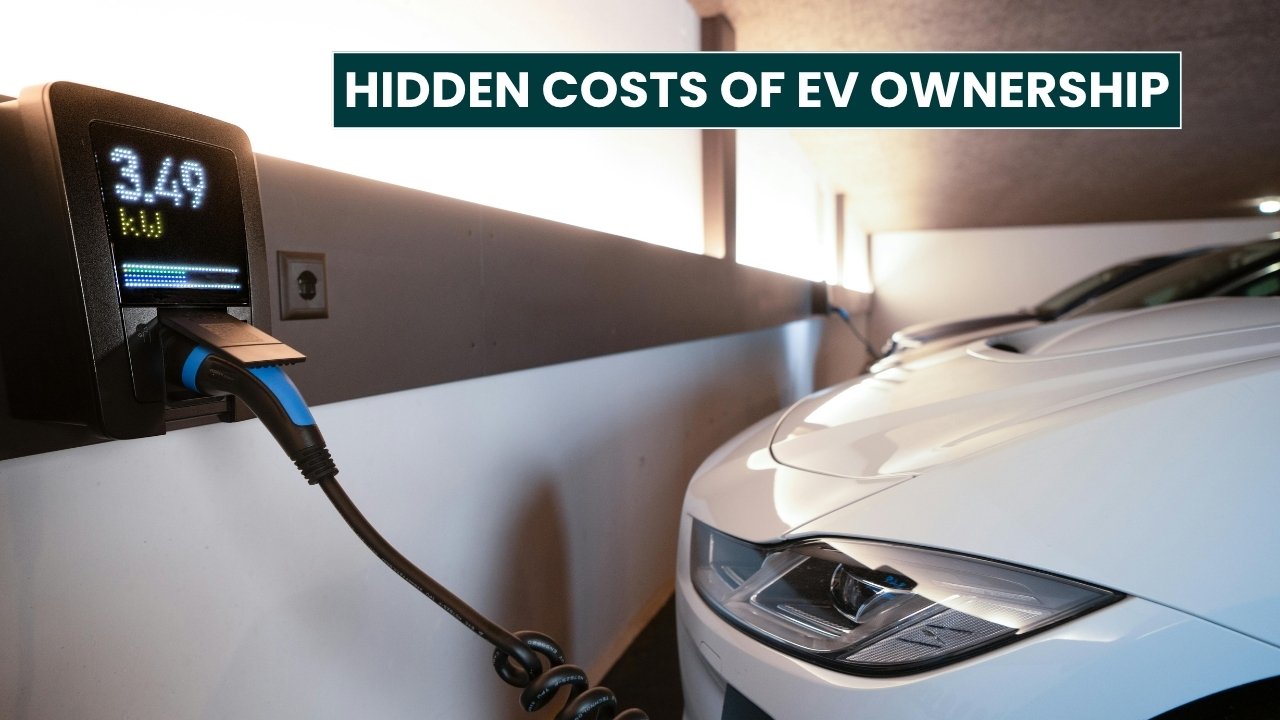
The charging of an EV isn’t as easy as charging a phone. Charging with a normal socket at home takes 20-24 hours for a full charge and even more. To charge an EV at home within a few hours, it is mandatory to set up Level 2 home charging.
The installation of home charging for an EV is costly; it ranges from $800 to $3,000 depending on the battery technology and electrical architecture of the EV. Installation of EV cars almost always needs upgrading of wires at home, which further increases the cost.
Public Charging
The one thing that is mostly talked electric vehicles is that the charging is very cheap, but it is only the case with home charging. Public charging is also marketed as convenient, but the reality is totally different.
There’s no standard rate for charging across the nation; different networks charge differently. The charging rates even depend on time of day, meaning during the peak hours the rates are slightly high.
Not only this, but the charging rates also depend on speed, which means for different charging capacities, different amounts are charged. Some stations charge per kWh, some per minute, and also for leaving idle.
Insurance
After purchasing any EV, it is mandatory to have insurance to drive it. The annual cost for the same is quite higher than a vehicle with a traditional powertrain. Basically, the insurance for EVs is 10-20% costlier compared to ICE vehicles, and during the ownership period one has to pay thousands of dollars.
The main reason behind the costlier insurance for electric vehicles is that their battery packs are very costly, feature advanced sensors, cameras, and software, and repairs are very heavy if they meet with an accident.
It is important to understand that even a small accident can result in expensive diagnostics and full battery replacement.
Battery Degradation
For EVs, the battery is like its heart. With consistent use over the span of 5 to 8 years, its battery loses its capacity by 10-30%, and it results in reducing the range significantly. The replacement of the battery costs $5,000 to $20,000 depending on the model.
Maximum EV models, which are available for sale in the United States, come with an eight-year warranty. Early buyers don’t feel it, but after long-term ownership one gets it.
Depreciation
The EVs depreciate faster than ICE and hybrid vehicles. After 5 years of use, an electric vehicle loses 60-70% of its resale value. It means if you buy an EV with a price of $50,000 and try to resell it after using it for 5 years, you will highly likely get 40% of the purchase cost, i.e., $20,000.
The reason behind faster Depreciation of EVs is a rapid improvement in battery technology, and new models are coming with a large range and more fast charging. Buyers go with electric vehicles for low running costs but lose the savings in case of the resale.
Tire Wear Out
The kerb weight of EVs is quite higher compared to traditional cars because of their heavier batteries, and the instant torque puts more stress on tires. It results in fast wear-out of tires compared to internal combustion engines and hybrid vehicles.
Faster wear-out of tires makes the tire replacement cycle shorter, which means the EVs need more frequent replacement of tires, meaning more expenses. It is mandatory to note that the EV’s performance tires are a little costlier than the traditionals.
These are the main hidden costs of owning an EV in the United States. There are two more. The first is that many US states charge $50 to $200 as an EV fee, and it reduces the ‘fuel saving,’ and the latter is that there are very few EV-certified mechanics who charge very high, as it needs specialized tools.