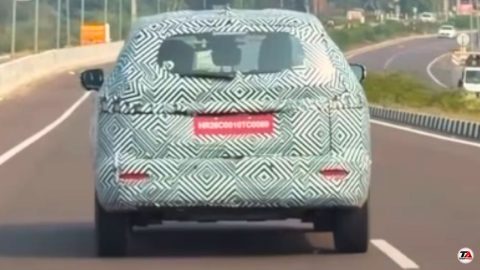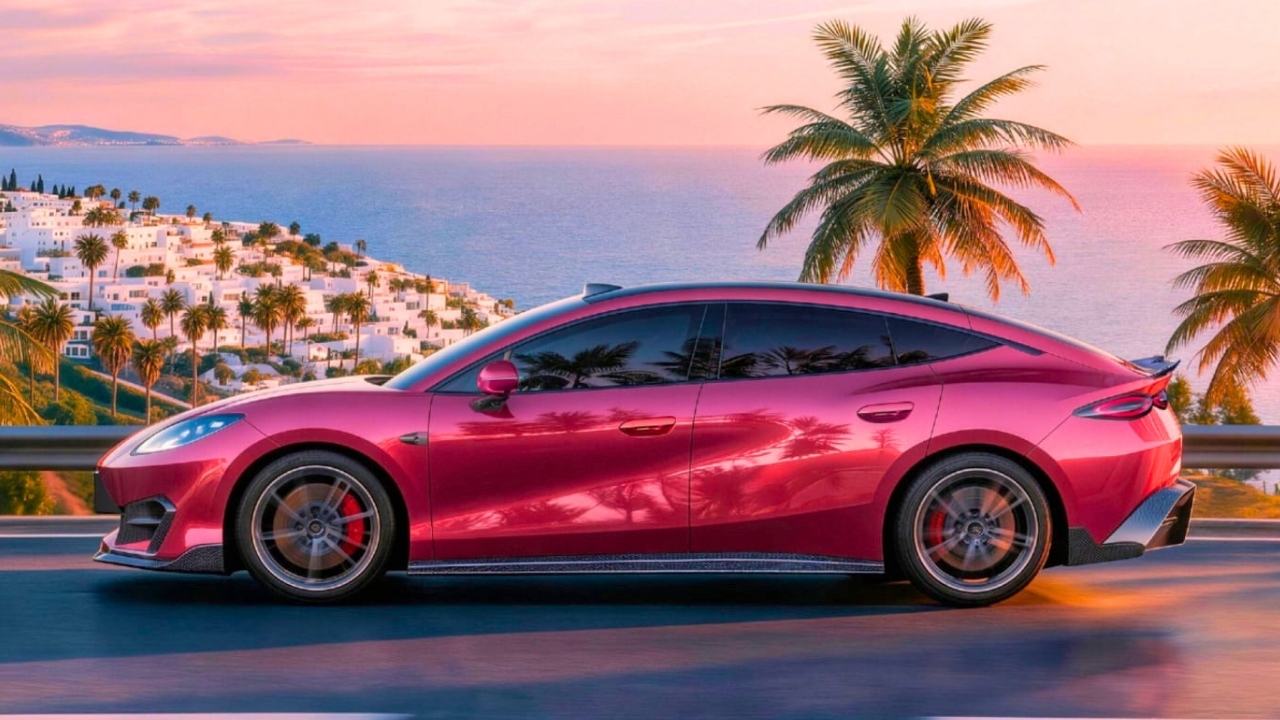
The Fangchengbao Formula S is an upcoming all-electric four-door liftback, which is expected to make its debut in the Chinese market in late 2026. China’s Ministry of Industry and Information Technology (MIIT) catalogue, July 2026 release, has already revealed its technical details.
In terms of length, width, and height, it measures 5,060 mm, 1,967 mm, and 1,483 mm, respectively. Its wheelbase, the distance between the axles, is 2,960 mm, 19-inch or 20-inch, and kerb weight is 1,999 kg to 2,250 kg. Besides the liftback, there will also be a GT, whose length is 5,025 mm or 5,095 mm with two hooks, which is 1,967 mm, and height is 1,483 mm. The wheelbase of the same is 2,960 mm, and its kerb weight is 2,170 kg to 2,280 kg.
Reportedly, the fastback will be available in three variants, with two rear-wheel-drive and one all-wheel-drive variant, and the GT in two, one RWD and one AWD. Set to be available with two different BYD next-generation Blade lithium-ion battery packs from FinDreams: 76.744 kWh and 92.093 kWh, whose weight is 539 kg and 633 kg, respectively.
The three variants of the fastback are Standard Formula S, Long Range Formula S, and Formula S AWD, whose power outputs are 245 kW (329 hp), 300 kW (402 hp), and 490 kW (657 hp), respectively. The first two are set to make their debut with single-motor rear-wheel drive, and the last with a double-motor quad-wheel-drive drivetrain.
The first variant gets a standard battery pack, giving it a CLTC range of 720 km, and the last two have a large one; the second one may run 830 km to 900 km. The details regarding the third one are yet to be made public. And the two variants of GT are Formula S GT RWD and Formula S GT AWD, whose power outputs are 300 kW (402 hp) and 490 kW (657 hp), respectively. The first one is RWD, and the second is AWD.
Notably, both variants are set to be equipped with large battery packs. The CLTC range is expected to be 800 km to 850 km for the single-motor variant and the double-motor variant is set to give the range of 730 km. The top speed for both the fastback and GT is 240 kmph. Support BYD’s ultra-fast DC charging, which takes 5 minutes for 10 to 70 percent charging and 9 minutes for up to 97 percent.
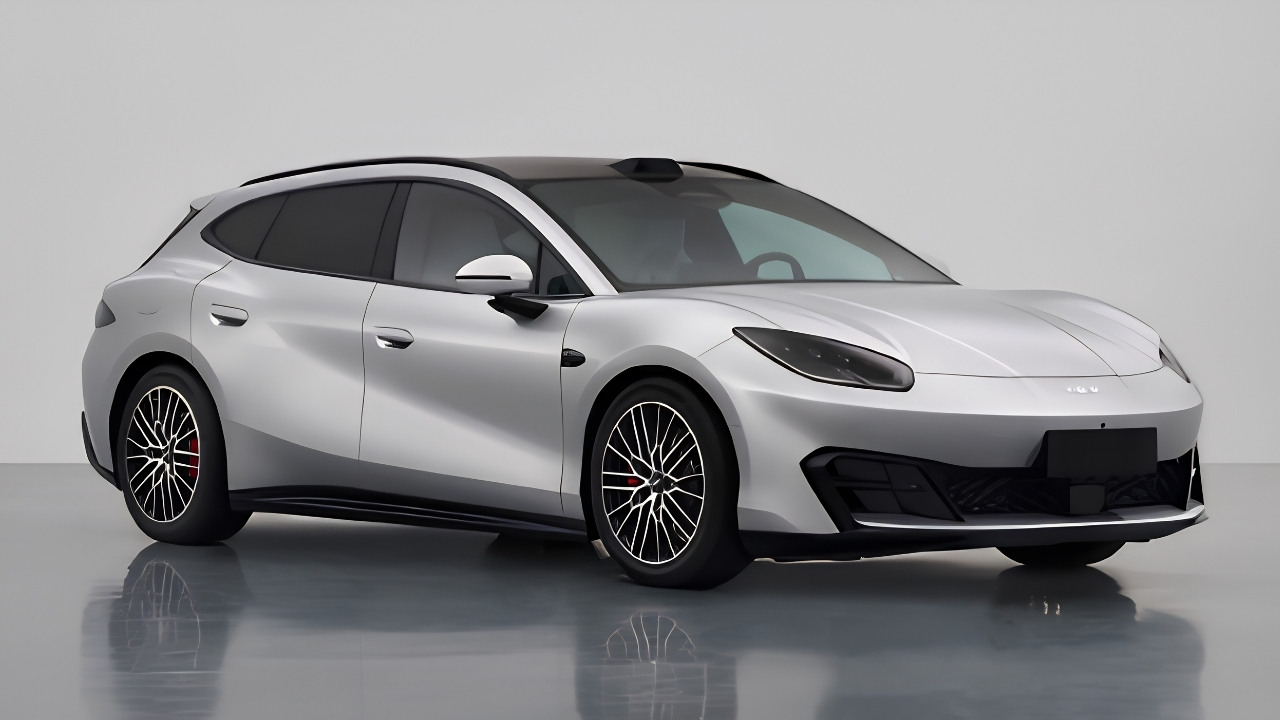
Outside, it has teardrop-shaped LED headlights, which include daylight running lights and low and high beams. The front bumper has vertical air intakes and a side air curtain. On the roof, it has a LIDAR sensor, which indicates that it is equipped with the DiPilot 5.0, BYD’s advanced driver assistance system, which supports navigation autopilot for both city driving and highway cruising.
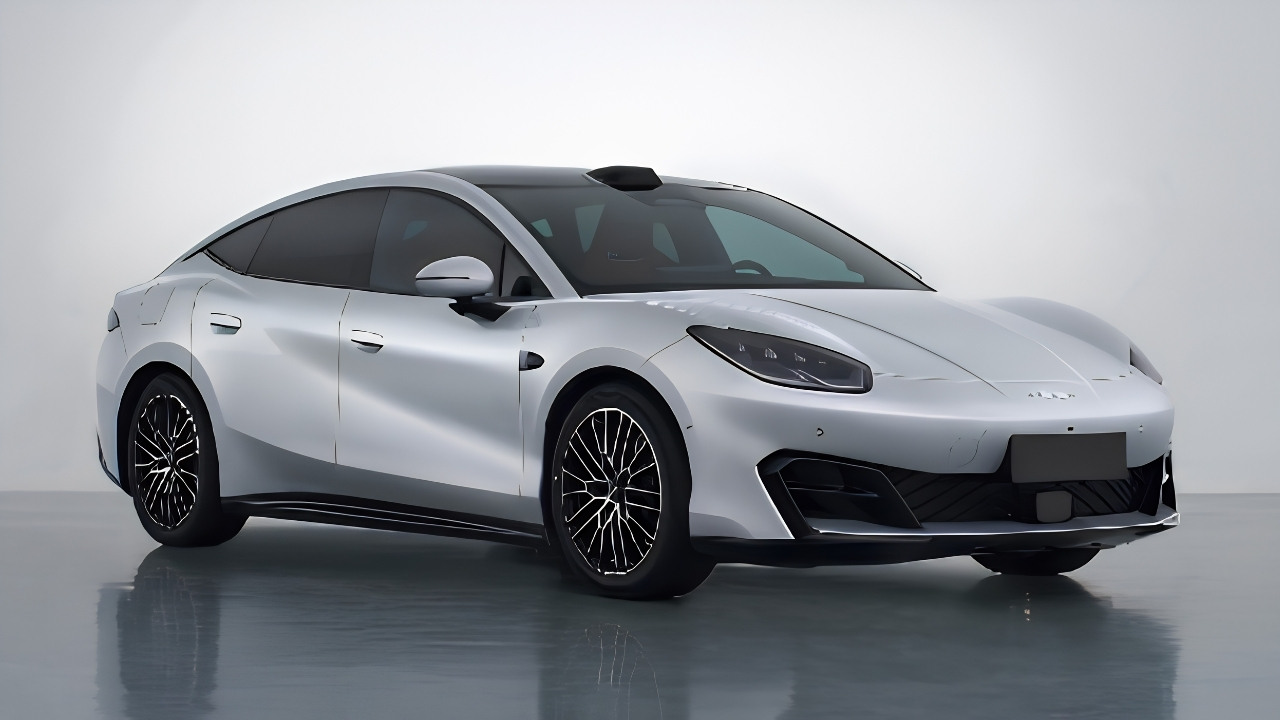
The sides have flared wheel arches, flush-type door handles, and front-door-mounted ORVMs with integrated blinkers. The rear of the fastback has a roof-integrated rear windshield, but the GT has a roof-integrated spoiler just above the windshield. Other features on the rear are the same, such as the diffuser-style black bumper with side horizontal reflectors and almond-shaped (eye-shaped) LED taillamps.
Inside, it will have a digital instrument cluster behind the steering wheel and also an augmented reality head-up display. The center of the dashboard is set to be equipped with a touchscreen infotainment system supporting wireless connectivity, OTA software updates with connected car technology, and multi-device wireless connectivity.
Other features expected to be included inside the cabin are a wireless phone charging pad, powered, ventilated, and heated front seats, double-zone automatic climate control, a USB charging port, a 360-degree camera, ambient lighting, and a panoramic glass roof.