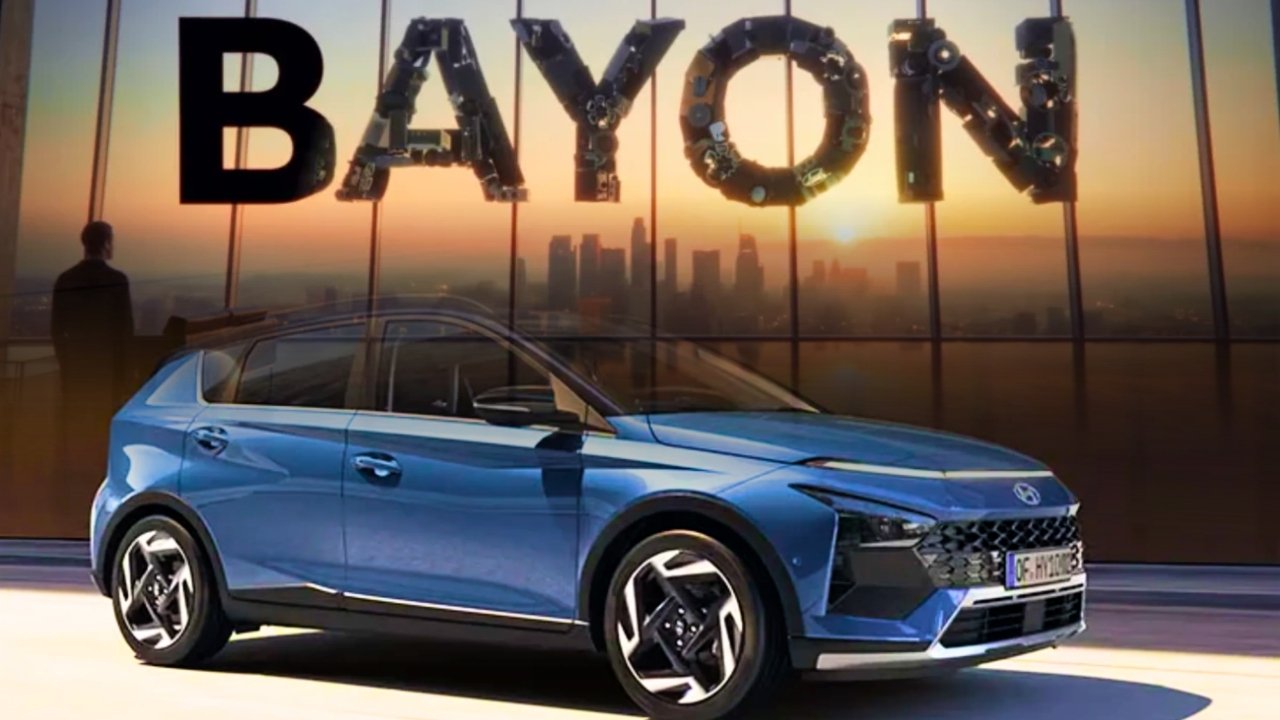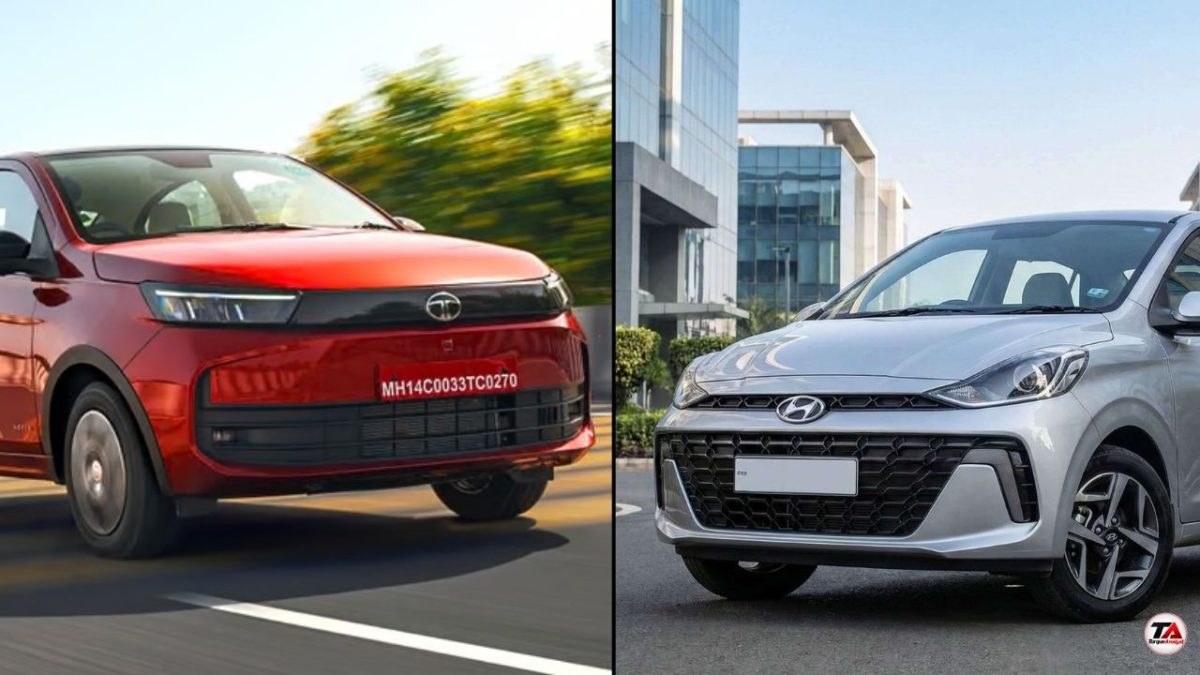
The Tata Aeris and the Hyundai Aura are both four-door executive sedans with a seating capacity of 5 people in 2-3 layouts. The former one launched in the Indian market recently as the successor of the Tata Tigor, and the latter one was available for sale in the Indian market from 2020.
They both are key rivals of each other in the sub-4-meter sedan segment. Here, we have come up with a side-by-side comparison between them. Let’s have a closer look at the Tata Aeris vs. the Hyundai Aura.
Ex-showroom price.
The Aeris and Aura are on sale in the Indian market with both pure-petrol and petrol-CNG powertrains. The Tata car is available with the ex-showroom price between Rs 5.29 lakh and Rs 8.74 lakh for the petrol version, but the CNG version costs between Rs 6.29 lakh and Rs 9.74 lakh.
On the other hand, the Hyundai vehicle’s petrol-powered trim has been retained at Rs 6.29 lakh to Rs 9.74 lakh, while both the petrol and CNG-powered versions have a price range of Rs 7.89 lakh to Rs 8.67 lakh.
Comparatively, the Tata Aeris, both the petrol and CNG versions, are affordable. We can clearly see that the Hyundai Aura pure-petrol base version is Rs 70,000 more costly and the petrol-CNG is Rs 1.60 lakh.
Dimensions and space.
The Tata and the Hyundai sedans are identical in terms of length and wheelbase; they both measure 3995 meters longer with a distance between the axles of 2450 mm. The seating capacity of 5 and the layout of 2-3 layouts are available in both.
The width and height of the Tata Aeris are 1684 mm and 1532 mm, respectively, and the Hyundai has a width of 1680 mm and a height of 1520 mm. The boot space behind the second for the pure-petrol version is 419 liters for Tata cars, while the same for Hyundai vehicles is only 402 liters.
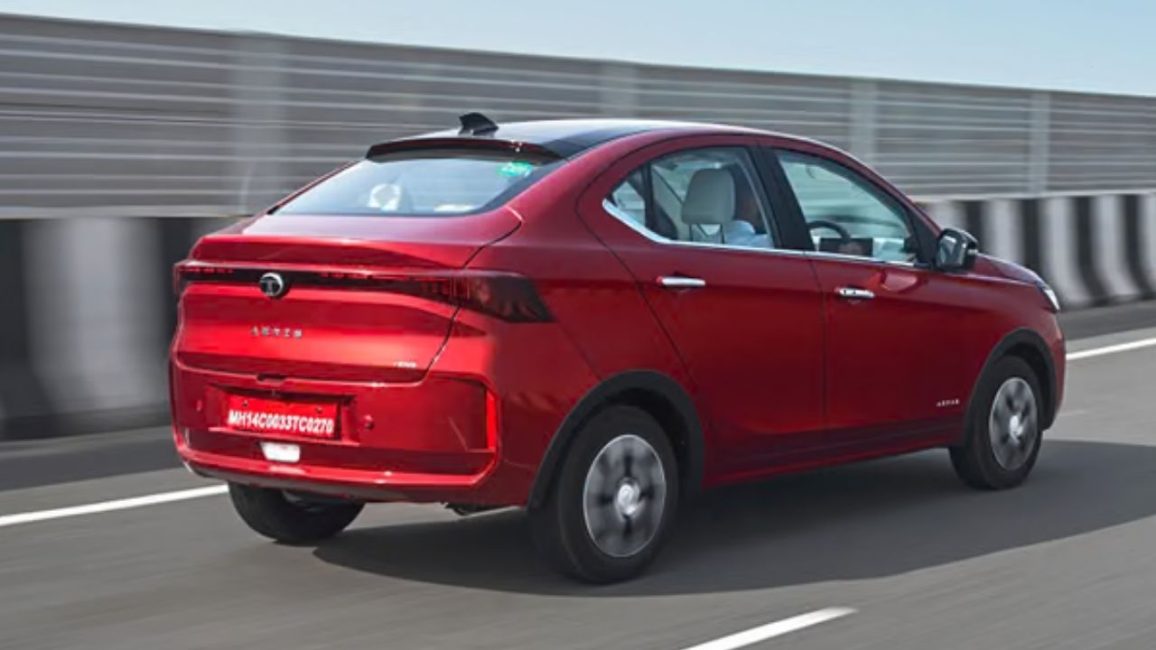
Compared to the former one, the latter is 4 mm narrower and 12 mm shorter. It means the Tata car is the one that has a little better headroom and shoulder room in the second row. Even in terms of luggage carrying practicality, the Aeris leads because it has 17 more liters of cargo space.
Color options.
The recently launched Tata Aeris is available with six color options, and the Hyundai Aura comes with only four. The six color options for the Tata model are Pristine White, Pure Grey, Daytona Grey, Dune Glow, Nitro Crimson, and Dandeli Drizzle; and four options for the Hyundai are Atlas White, Typhoon Silver, Titan Grey, and Starry Night.
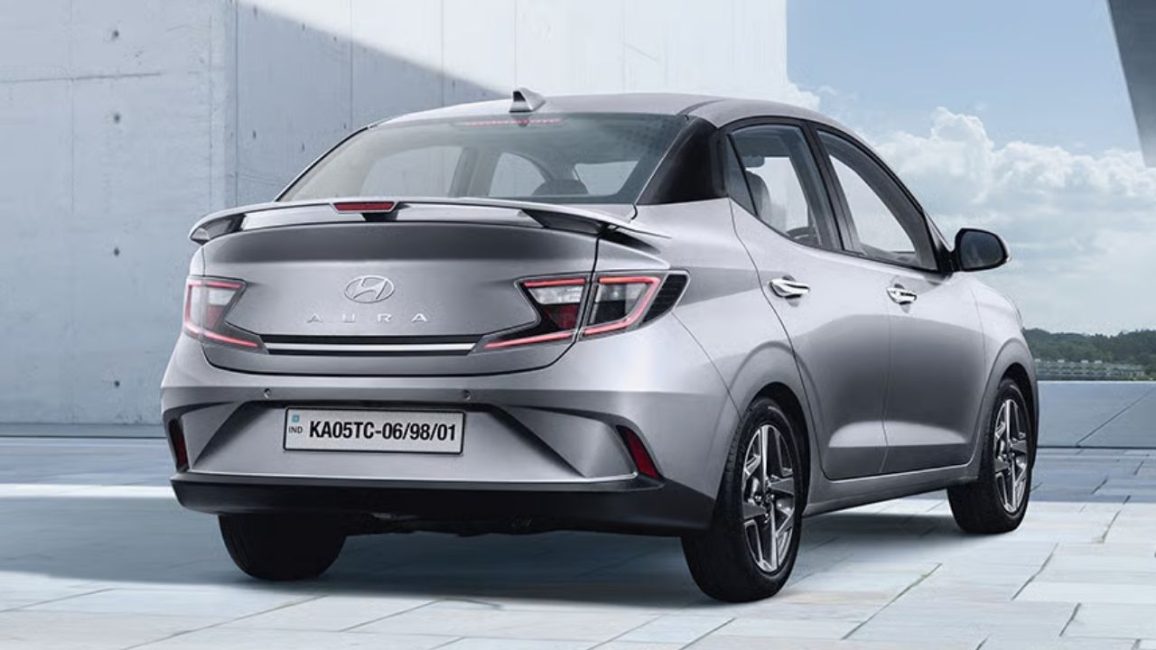
Any of the colors offered for the Tata car doesn’t match the Hyundai options, but shade. The shade of grey is available for both; Aeris has Pure Grey and Daytona Grey, and Aura features Titan Grey. The available shade of grey in both models is modern, elegant, sporty, and premium-looking.
Features and technology.
The Tata Aeris and the Hyundai Aura come with many identical and near-similar features. The Tata model gets a 10.25-inch infotainment system with wireless connectivity, and Hyundai also has an 8-inch unit that supports only wired connectivity for Android Auto and Apple Carplay.
Even though there’s a huge difference in the instrument cluster found behind the steering wheel, the Aeris is equipped with a 5-inch digital display, and the Aura gets an analogue with a 3.5-inch MID. Talking about the sound system, the Tata car has 6 speakers, and the Hyundai has only 4.
The wireless phone charging pad, cruise control, automatic climate control with rear AC vents, automatic headlights, and keyless entry and push-button start are the features that we get to see on both of these sub-4-meter sedans.
The ventilated front seats, rain-sensing wipers, blind-view monitor, in-built dashcam, and connected car technology are the features that are only offered with the Tata Aeris. The availability of these features makes it premium in the segment and also enhances occupants’ comfort and convenience.
Powertrain and performance.
Both the Tata Aeris and the Hyundai Aura are equipped with 1.2-liter naturally aspirated petrol-powered internal combustion engines; the former one has only three cylinders, but the latter features four. Even though their transmission options are similar, they are a five-speed manual and a five-speed automated manual.
The drivetrain is front-wheel-drive for both models. The CNG option is available for both, but the Hyundai Aura has this option only with five-speed manual transmission. The pure-petrol version of the Tata car delivers the power of 86 PS, and the Hyundai vehicle only 83 PS, 3 PS less; and the CNG version of the former cranks 76 PS, but the latter only puts out 69 PS, 7 PS less.