Mahindra Auto, the Indian automobile manufacturer, will launch three models by December 31, 2026. They are the Mahindra Scorpio N Facelift, a mid-size sport utility vehicle; the Mahindra Thar Facelift, a three-door off-roader; and the Mahindra BE 7, a mid-size all-electric crossover. Let’s have a closer look at each of these upcoming vehicles.
Mahindra Scorpio N Facelift
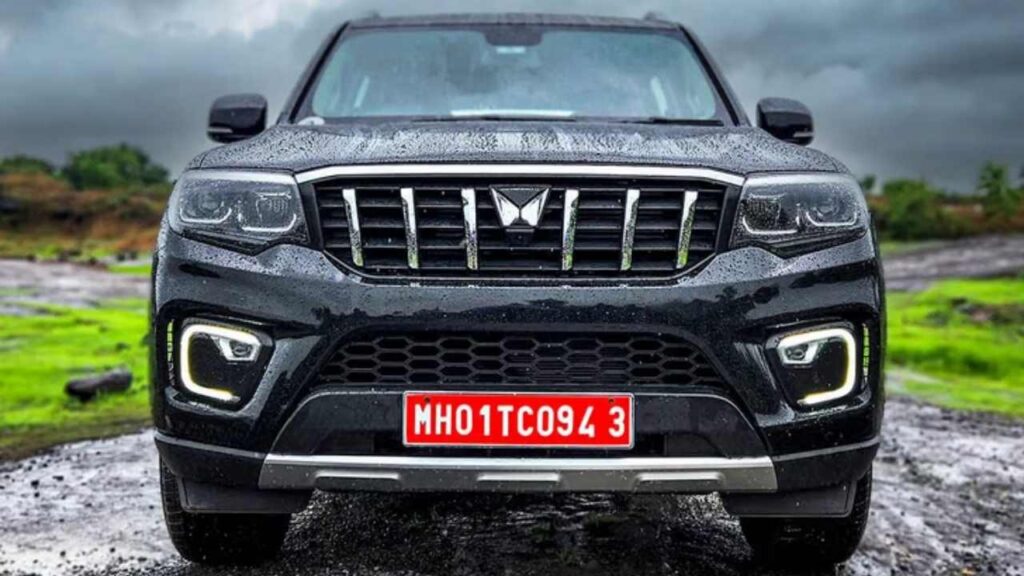
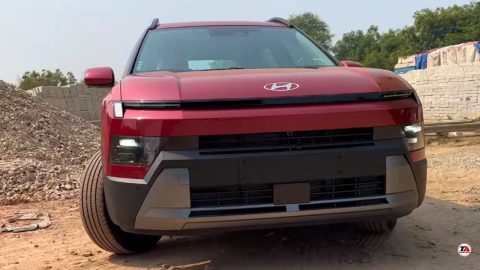
The Mahindra Scorpio N Facelift is expected to be available for sale in August 2026 in the Indian market, whose ex-showroom price may be between ₹14 lakh and ₹26 lakh. The carmaker is all set to introduce the refreshed version with many upgrades and improvements. Reports suggest that it will come with updated front and rear bumpers, tweaked LED headlights and taillights, and new alloy wheels.
The addition of new color options is certain. Inside, the facelift may get a larger digital instrument cluster and a bigger touchscreen infotainment system. Both front seats are now expected to be ventilated and powered. Double-zone automatic climate control for better comfort, ambient lighting to enhance mode, auto-dimming IRVM for a clearer view of vehicles running behind, and a premium Harman Kardon audio system to enhance the infotainment experience.
Set to make their debut with two internal combustion engines, they are the 2.0-liter mStallion turbo-petrol and 2.2-liter mHawk turbo-diesel. The former generates the power of 203 PS, and the latter does 132 PS for lower variants and 175 PS for higher variants. They both will come with two transmission options: six-speed manual and six-speed automatic, and the drivetrain is RWD for petrol and also AWD for the diesel option.
Mahindra Thar Facelift
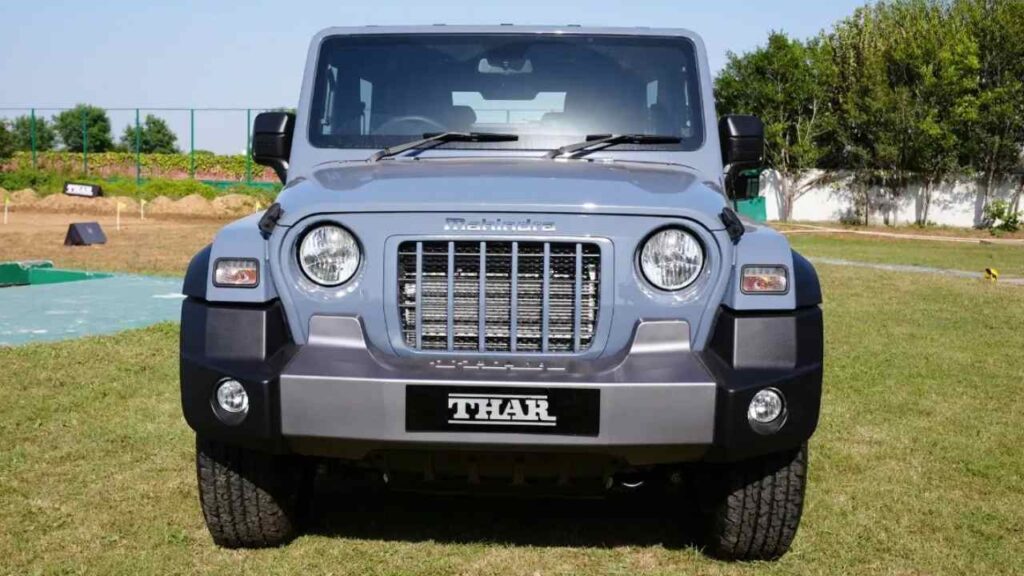
The Mahindra Thar facelift will soon make its debut in the Indian market. The manufacturer hasn’t confirmed any date for the launch. Reportedly, they will launch the model with ex-showroom prices of ₹10 lakh and ₹17 lakh, most probably in the last quarter of 2026. The model will soon be available for sale with a new front grille inspired by the Thar Roxx, and even the LED headlights, including headlamps and DRLs, are set to be revised, enhancing the front-end look.
Reports claim the new center of the dashboard will feature a 10.25-inch touchscreen infotainment system supporting wireless connectivity and connected car technology with over-the-air software updates. The cabin is set to see the addition of a wireless phone charging pad, a ventilation function for front seats, and six airbags to enhance occupants. Other features, which it may get, are ISOFIX child-seat mounts, a 360-degree camera, and Level 2 ADAS.
The model is set to be available with two different 4-cylinder turbocharged ICE options: the 2.0-liter mStallion turbo-petrol and the 2.2-liter mHawk turbo-diesel, with two gearbox options: the 6-speed manual and the 6-speed automatic. The power output and peak torque for the former one are 152 PS and 300 Nm with MT or 320 Nm with AT, and the latter one delivers 132 PS and 300 Nm. Both are available with rear-wheel drive and all-wheel drive.
Mahindra BE 7
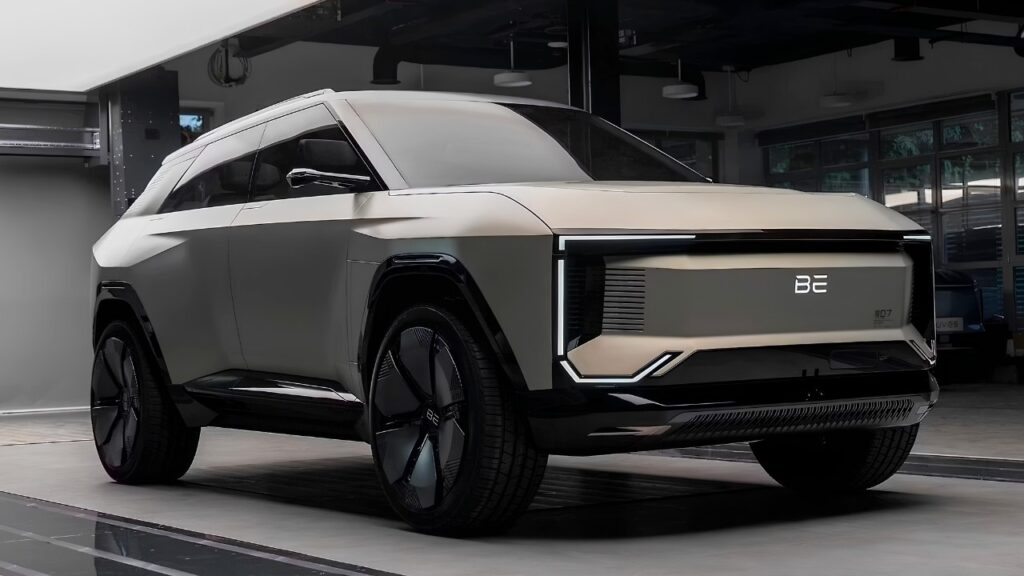
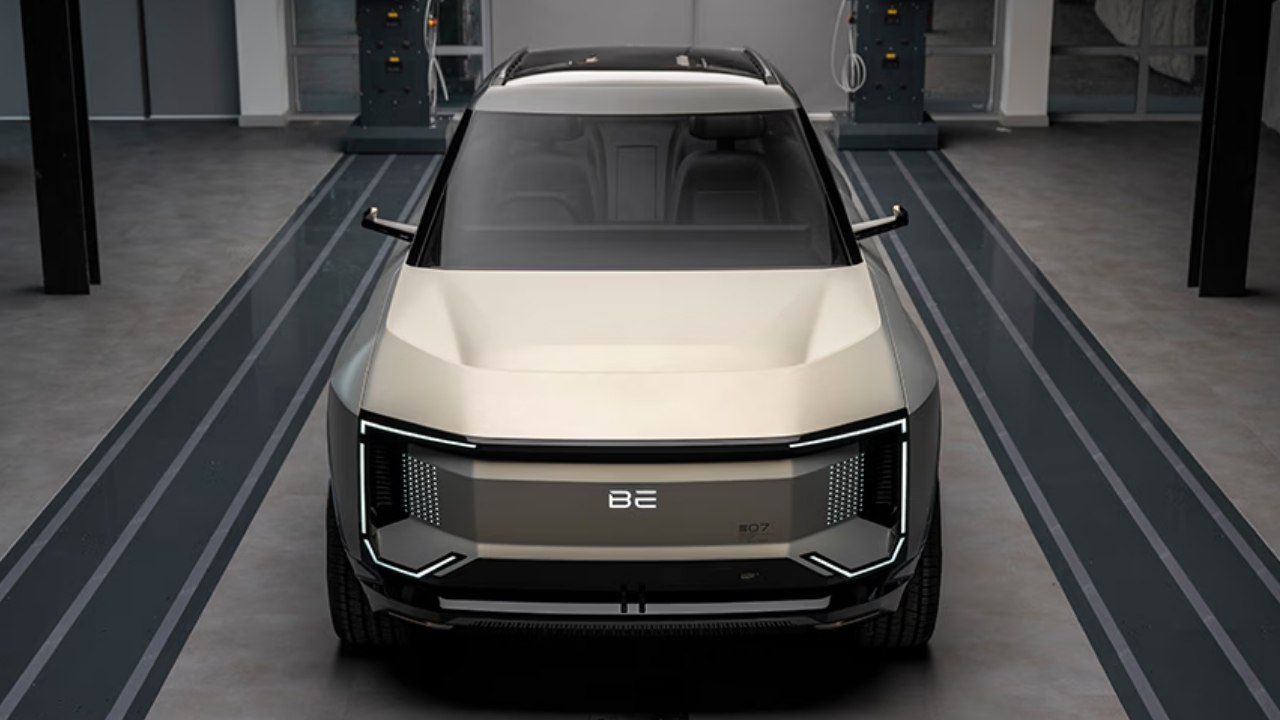
The Mahindra BE 7 is expected to make its debut in the Indian market during the festive season, with an ex-showroom price between ₹25 lakh and ₹30 lakh. Set to be available as a five-seater in a 2-3 layout, with dimensions of 4,565 mm in length, a 2,775 mm wheelbase, and 1,900 mm and 1,660 mm, respectively. May come with a single-motor rear-wheel-drive and double-motor all-wheel-drive drivetrain.
The carmaker is expected to introduce the model with two different lithium-ion battery packs, which are most likely to be 60 kWh and 80 kWh. It is certain that its electrical architecture will be 800-volt supporting DC charging up to 170 kW for the large battery pack, which takes only 20 minutes for 10 to 80 percent charging. Notably, the RWD variant will come with both battery packs, and AWD with only the larger one, but the range will be less for RWD with the larger battery.
Inside the cabin, it will have two displays. One at the center of the dashboard as an infotainment system and another behind the steering wheel as a digital instrument cluster. The centrally mounted touchscreen is set to support connected car technology, OTA software updates, wireless connectivity via Android Auto, Apple CarPlay, and Bluetooth, and voice assistants. Following the launch, it will compete with the Tata Harrier EV, Hyundai Ioniq 5, and BYD Atto 3.