The Bayon-based sport utility vehicle from Hyundai Motors will make its debut in India in the third quarter of 2026. It is internally codenamed Bc4iz and is likely to measure 4.18 meters; it will reveal the nameplate very soon. A recent report from Autocar India suggests that the South Korean automobile manufacturer will introduce the model as pure-petrol and CNG. The middle of August 2026 is expected to see the launch of the pure-petrol variant, followed by the CNG in September 2026.
As of now, they haven’t confirmed any price for this upcoming model. Reportedly, the carmaker is set to position it between the Venue and the Creta; they are available with the starting ex-showroom prices of ₹7.99 lakh and ₹10.90 lakh, respectively, so we are expecting it to cost starting from ₹9.49 lakh. Following the launch, it is set to compete with Maruti Suzuki Victoris, Maruti Suzuki Grand Vitara, Toyota Urban Cruiser Hyryder, Kia Seltos, Honda Elevate, Volkswagen Taigun, Skoda Kushaq, and MG Astor.
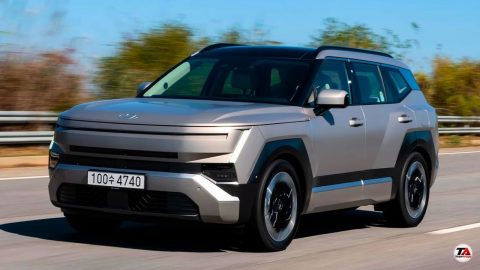
It has already been spotted testing on public roads multiple times, but every single time it was highly camouflaged. Its latest spotting took place on June 2, 2026; it was then found parked next to a Maruti Suzuki Victoris, we also reported the same. After multiple sightings many details about its exterior design have emerged. Upfront, it is set to get LED daylight running lights just below the hood to enhance daytime visibility of the vehicle and lower-mounted LED high-beams and low-beams.

The sides get double-toned A-pillar-mounted outside rear-view mirrors with integrated blinkers for a clear view of vehicles running behind; mechanical door handles to enhance practicality; black-outed pillars; mechanical door handles; roof rails to enhance the practicality of carrying luggage on the roof; and honeycomb-inspired double-tone alloy wheels, and the rear has a roof-mounted shark-fin antenna, LED taillamps on the edges, a large windshield, and a minimalist tailgate design.
Set to get a 1.5-liter, 4-cylinder naturally aspirated petrol-powered internal combustion engine, it may be available with two different gearbox options: a five-speed manual and a continuously variable transmission. Its displacement is only 1,497 cc. The power output is 115 PS, and peak torque is 144 Nm. The CNG version will get the same engine but with a six-speed manual transmission, the power output and torque for which are expected to be slightly less than the pure-petrol version.

The drivetrain for both is front-wheel-drive. The CNG variant is going to come with a double CNG tank, under the floor and not in the boot space, which means the boot space is set to be the same for petrol and CNG to provide better practicality in carrying luggage. All set to come with a seating capacity of 5 people in 2-3 arrangements, the seats are expected to feature soft-touch upholstery to enhance the seating comfort.
Inside, it may feature a double-tone cabin theme. Most likely to get a three-spoke steering wheel with a digital instrument cluster under the same. The center dashboard is all set to feature a touchscreen infotainment system that will run on an Android-based operating system featuring OTA software updates with connected car technology. It will support wireless connectivity via Android Auto and Apple CarPlay and Bluetooth.
The front seats are expected to be ventilated. The drive seat may be electrically adjustable. Two-zone automatic climate change and a wireless phone charging pad are certain. For rear seating passengers’ comfort, it may feature roof-mounted air conditioning vents. Multiple USB charging ports across the cabin are also expected for phone charging convenience for all the occupants. For safety, it will feature six airbags, and top-end variants are set to make it debut with the level 2 ADAS suite.