Bajaj Auto, the motorcycles, scooters, and three-wheelers manufacturer, may launch the next-generation Bajaj Pulsar 150, an entry-level commuter sport motorcycle, in July 2026. The makers will introduce this bike with a completely new platform with total design changes. Even suspension and braking are anticipated to be upgraded.
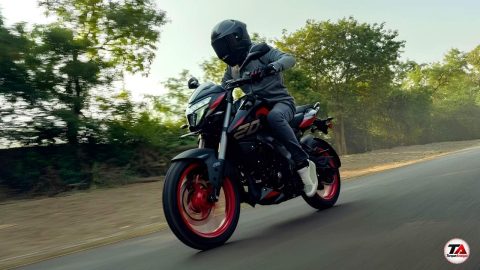
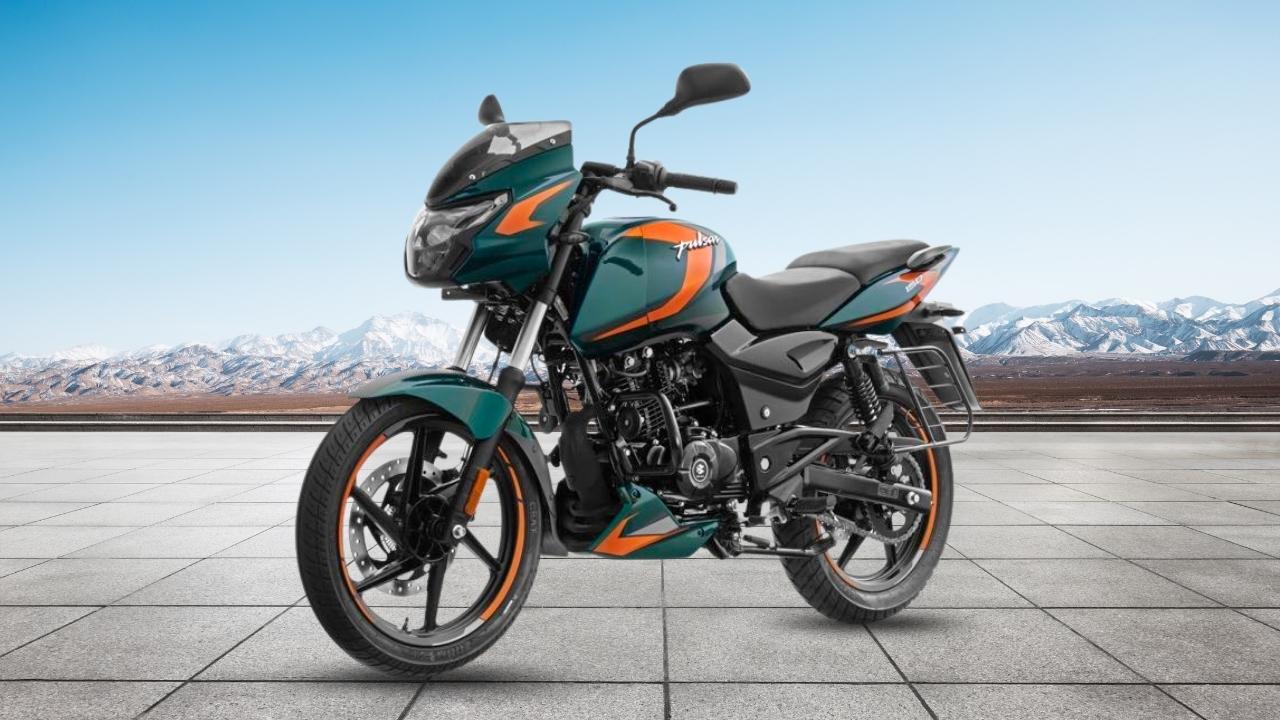
It may get a sharper LED headlight, including a main headlamp and daylight running light; it won’t only improve nighttime visibility but also make its front fascia modern. The fuel tank is anticipated to be totally redesigned, making it more muscular and ensuring better knee support for riders. Its front cowl will now be sportier for better aerodynamics and reduced air resistance; it will give a premium look.
The side body panel is set to be totally revised with clearer lines to improve styling and make the motorcycle contemporary. The LED taillamp units are set to be totally new, enhancing the rear profile, and they will also give better visibility of this motorcycle at night to other road users. Set to come with a premium finish and updated graphics to make it appealing with an upmarket feel.
Many reports suggest the next-gen Bajaj Pulsar 150 is built on a next-generation chassis with suspension and braking upgrades. They haven’t officially confirmed any details about its underpinning; we are expecting that its front suspension will be telescopic forks with revised tuning, and the rear may feature twin gas-charged shock absorbers with updated damping characteristics to ensure better comfort for both rider and pillion.
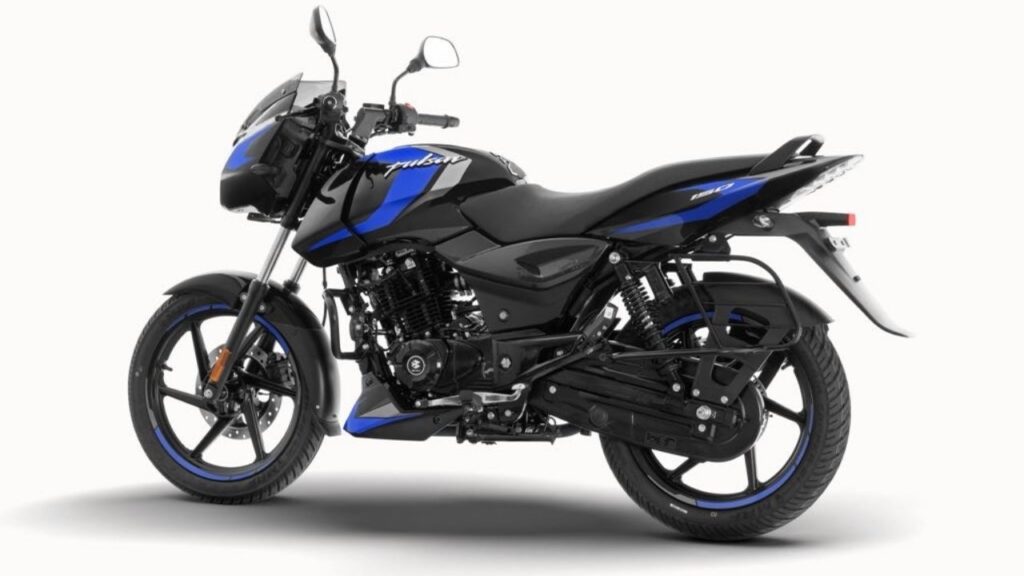
It is highly anticipated that both wheels will get a large-diameter ventilated disc with a dual-channel anti-locking braking system as standard. Notably, the alloy wheels are also expected to be totally new, but the size may remain 17-inch. The tires are all set to remain tubeless, but the rear one is anticipated to be wider for better road grip, improved cornering stability, and enhanced high-speed confidence.
Changes in the dimensions are certain. We are expecting that its length, width, and height will be above 2.6 meters, 0.78 meters, and 1.9 meters, respectively. The upcoming one may feature a wheelbase of 1.9 meters to give better high-speed stability than the outgoing model, and the ground clearance may remain 168 mm to meet the Indian road conditions so it can easily pass the roads with potholes and speed breakers.
Changes in the seat height, fuel tank capacity, and kerb weight are also anticipated. Various sources have mentioned that the next-gen Bajaj Pulsar 150 will see an increase in seat height by 20 mm, fuel tank capacity may increase by 1.5 liters, and kerb weight is anticipated to be above 155 kg. The manufacturer will confirm these details with the launch.
The powertrain is expected to remain the same but with tuning for slightly better performance and mileage. The existing one gets a 149.5cc, single-cylinder, air-cooled, fuel-injected 4-stroke, 2-valve, Twin Spark DTS-i internal combustion engine that is mated with a five-speed manual gearbox in the pattern of 1 down and four ups. It features a wet multi-plate clutch and chain drive.
The ICE generates the power of 14 PS at 8,500 rpm and 13.25 Nm at 6,500 rpm, which takes under 6 seconds to accelerate from 0 to 60 km/h and goes up to a maximum speed of 115 km/h. Its ARAI-certified mileage is 47.5 km/l. The next generation may deliver power above 16 PS and torque around 15 Nm, and the claimed mileage may be around 50 kmpl.
The price of the upcoming one is still undisclosed, but it is certain that it will be a little costlier than the outgoing model. As the existing one is available with an ex-showroom price between ₹1.15 lakh and ₹1.20 lakh, the next-generation model may be available with an ex-showroom cost of ₹1.25 lakh.